New HPE Curriculum Links for School Camps in Victoria
Planning your next school camp in Victoria just got even easier.
This page maps the Canoeing activity to the Australian Curriculum: Health and Physical Education (HPE). Use the Print command to save a PDF for your planning records.
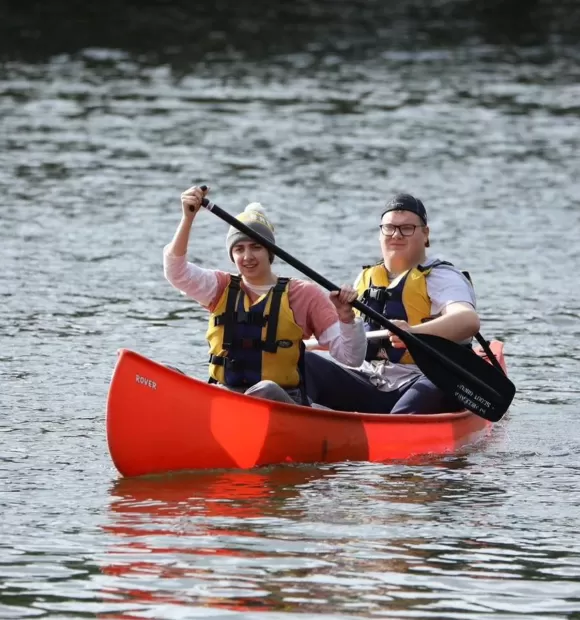
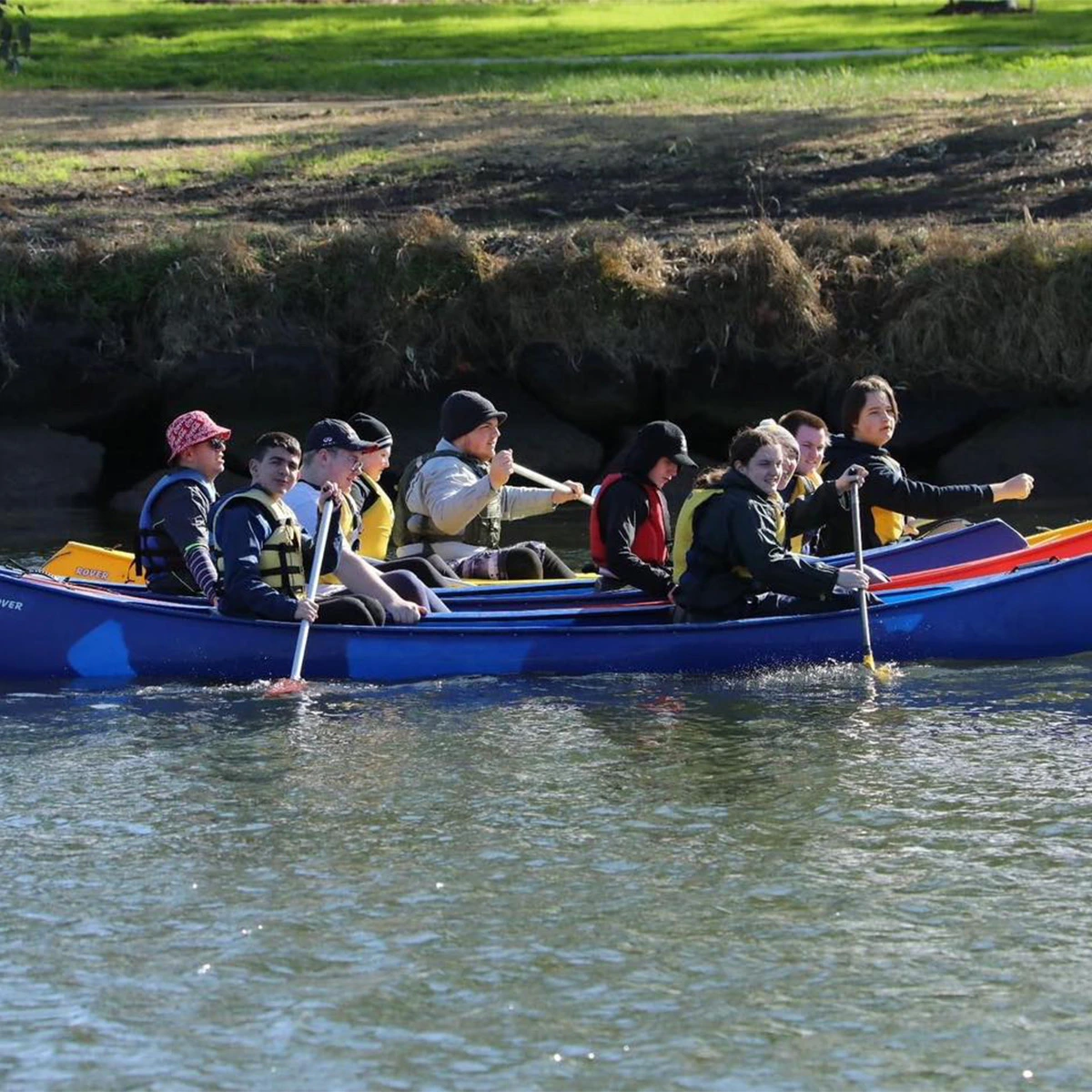
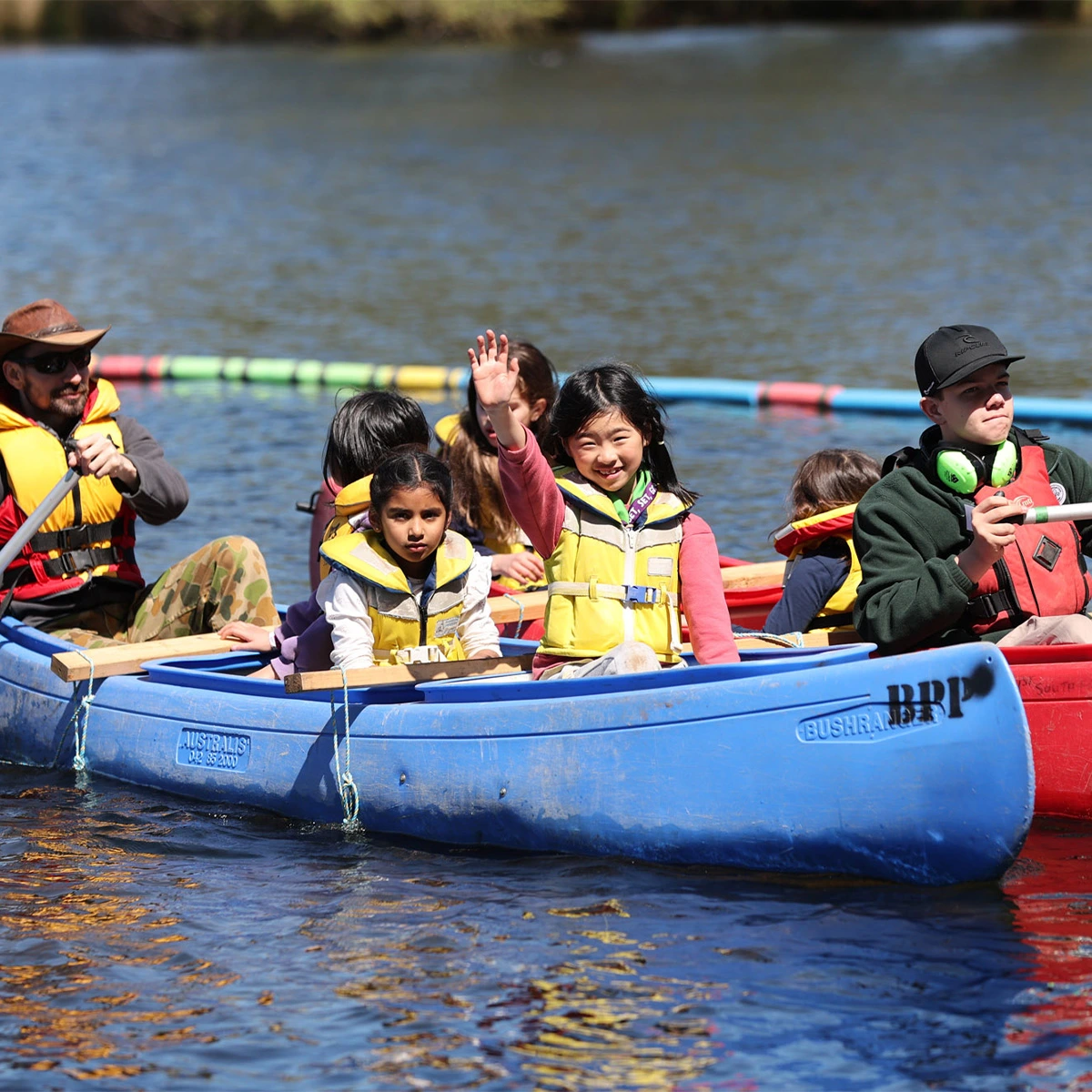
Activity: Canoeing in a supervised outdoor water setting, delivered by Scout Adventures.
Movement & Physical Activity Personal, Social & Community Health
Mapped for Years 5–6 and Years 7–8. Use the sections below to copy alignment statements into school plans.
| Curriculum content description (HPE) | How the activity links | Sample session feature |
|---|---|---|
| Participate in physical activities designed to enhance health and wellbeing in natural and outdoor settings v9: AC9HP6M05 | Students engage in canoeing outdoors, promoting physical activity, safety awareness and wellbeing. | Shore warm‑up; paddling circuits; cool‑down and reflection on effort/heart rate. |
| Investigate and apply movement concepts related to effort, space, time, objects and people v9: AC9HP6M03 | Learners vary stroke rate and timing; coordinate with a partner; adjust body position to influence canoe travel. | Skill stations: turning around buoys; synchronised paddling challenges. |
| Apply critical and creative thinking to generate and assess solutions to movement challenges v8.4: ACPMP068 | Crews problem‑solve in wind/current; choose techniques and communicate changes. | Zig‑zag relay; peer feedback to refine strategies. |
| Demonstrate ethical behaviour and fair play that aligns with rules across activities v8.4: ACPMP069 | Crews share roles (bow/stern), respect each other and follow safety rules. | Role rotation mid‑session; debrief on fairness and inclusion. |
| Curriculum content description (HPE) | How the activity links | Sample session feature |
|---|---|---|
| Analyse and refine movement skills in a variety of movement situations v9: AC9HP8M01 | Students practise paddling/steering then refine technique using feedback and observation. | Record first/second runs; peer or facilitator feedback; reflect on changes. |
| Demonstrate and explain how movement concepts (effort, space, time, objects, people) can be manipulated to improve outcomes v9: AC9HP8M03 | Learners intentionally vary stroke rate, weight distribution and partner synch to accomplish manoeuvres. | Drift‑turn challenge; minimal‑stroke navigation tasks; discussion of what worked and why. |
| Plan and implement strategies for connecting to natural/built environments to promote health and wellbeing (v9 – related) | Students consider barriers and enablers to ongoing participation in outdoor water‑based activity in their community. | Exit reflection: how to keep active outdoors; identify a local waterway and safe‑participation plan. |
| Select, use and refine strategies to support inclusion, fair play and collaboration (Achievement standard link) | Crews adopt inclusive strategies; adapt roles to support different abilities and confidence levels. | Strategy swap: stronger paddler moves to coach role; structured partner mentoring. |
Before the activity: Brief gear, water‑safety and canoe roles. Introduce movement concepts (effort, space, time, objects, people).
During the activity: Rotate pairs, vary challenges (turns, timing, gentle waves). Emphasise teamwork and communication.
After the activity: Debrief on movement strategies, coordination, perceived exertion and transfer to other activities.
This activity supports the HPE Movement & Physical Activity and Personal, Social & Community Health strands for Years 5–8.
Need a copy of this page as a PDF or a tailored alignment for another year level? Email enquiries@scoutadventures.com.au.